Lightweight electric bikes in Australia
“Lightweight” is the least regulated word in e-bike marketing. It gets applied to 22 kg bikes and 15 kg bikes alike, and the difference between those two numbers is the difference between carrying a bike upstairs and dragging it.
So this guide starts by being specific about what the word means in the Australian market, then shows the bikes whose weight we have actually been able to verify — and names the one where the maker does not publish a figure at all.
How we make money: we link to retailers so you can check current prices. We have no confirmed affiliate or commission relationship with any retailer yet, so nothing on this page is a paid placement. Read the full disclosure.
What decides this choice
Be honest about what 'lightweight' means here
The bikes we have verified sit at around 22 kg. A non-electric hybrid is 12 kg; a premium carbon lightweight e-bike is 15 kg. Nothing in this shortlist is light in absolute terms — it is light relative to the 35 kg fat tyre bikes that dominate this market.
Weight only matters where you have to lift
If the bike lives at ground level and you ride it away, weight is close to irrelevant and you are paying for nothing. If it goes up stairs, onto a car rack or into a caravan, it becomes the single most important number on the page.
Every kilo comes out of the battery
There is no free lunch: the lightest bike here also has the smallest battery and the shortest real-world range. Decide which problem you would rather have before you shop, because you cannot avoid both.
Balance and shape beat the scale
A 22 kg bike with a low, central battery and a frame you can get your arm through carries far more easily than a 20 kg bike with the weight over the rear wheel. If you can, lift the bike before you buy it — this is one thing a spec sheet cannot tell you.
What we've verified so far
These are the bikes relevant to this category whose specifications, price and Australian availability we have checked ourselves. It is a shortlist, not a ranking of the whole market.
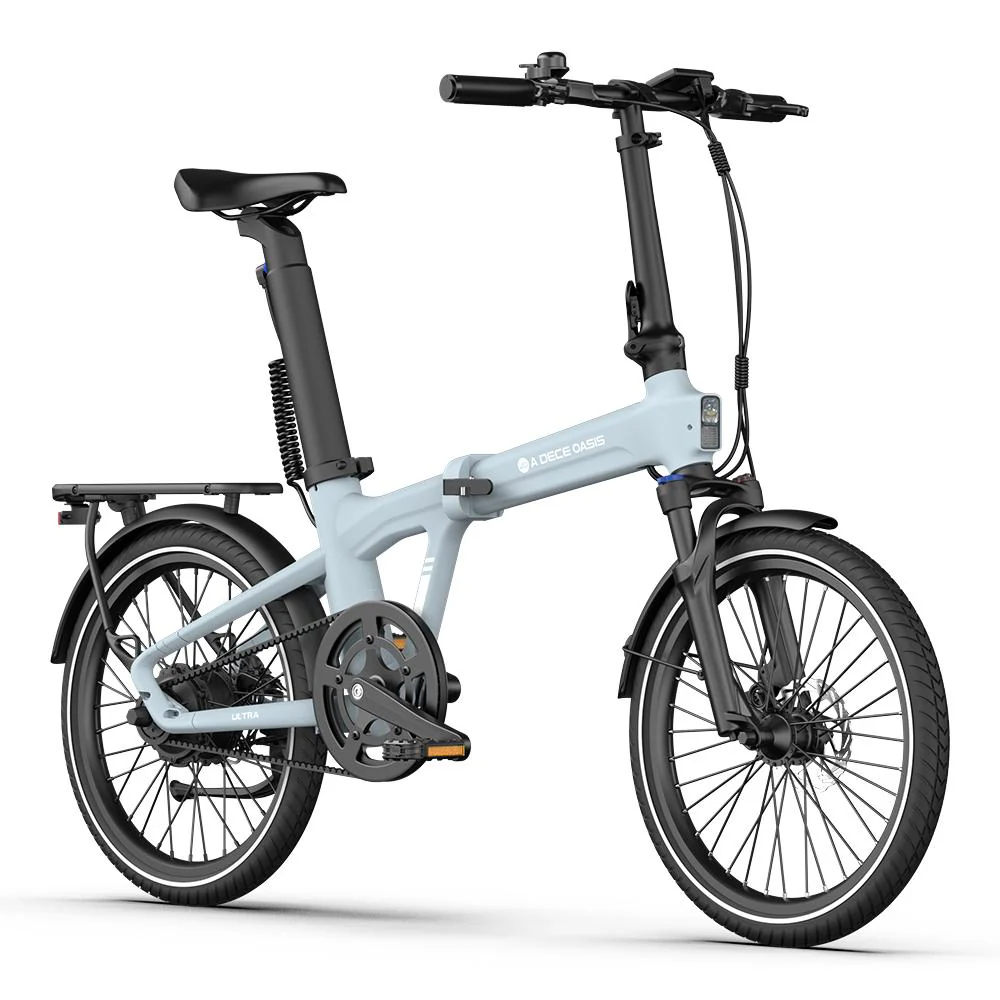
ADO
Air 20 Ultra
A near-silent belt drive and low maintenance
- Price
- ~$2,000as listed at MiBike, 2026-08-15
- Battery
- 370 Wh
- Range
- ~100 km claimed; owner reports put it nearer 55–60 km manufacturer claim
- Weight
- 22 kg
Road legal Ships in the 250W / 25 km/h configuration Australian law requires. What the rules say
Why it's here
At 22 kg with a carbon belt drive and a battery hidden in the seatpost, it is the closest thing to a genuinely light e-bike we have verified — and the belt drive means carrying it does not leave chain grease on your leg.
What it isn't
Its 370 Wh battery is the smallest here, and the ~100 km claim is widely reported by owners as nearer 55–60 km in practice. Lightness is bought with capacity.
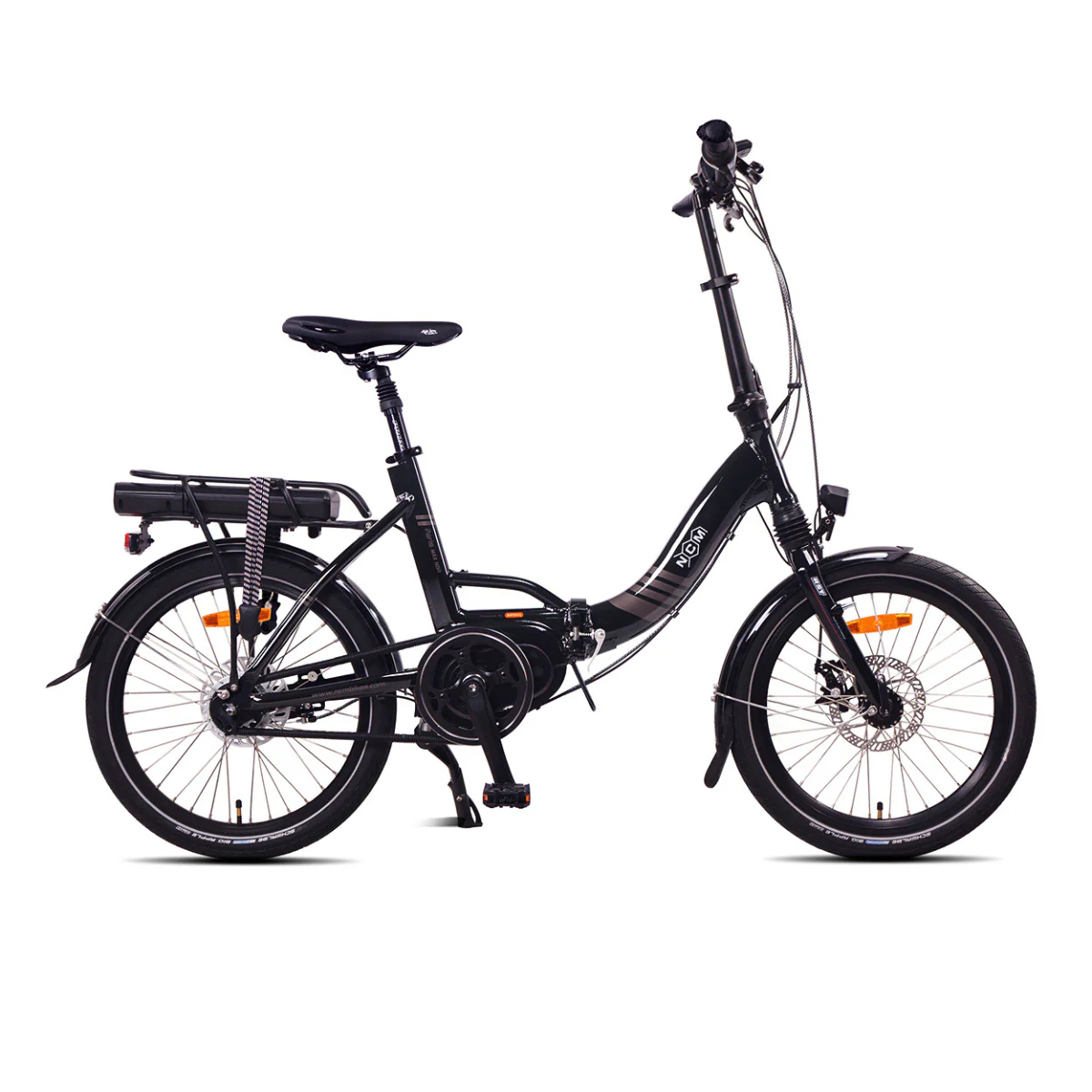
NCM
Paris
Folding into a car boot, caravan or train carriage
- Price
- From $1,599as listed at Leon Cycle, 2026-08-15
- Battery
- 540 Wh
- Range
- Up to 110 km manufacturer claim
- Weight
- ~22 kg
Road legal Ships in the 250W / 25 km/h configuration Australian law requires. What the rules say
Why it's here
Around 22 kg, and it folds — which for stairs, car boots and train carriages matters more than the raw weight figure does.
What it isn't
It is no lighter than the ADO and carries a more conventional chain drivetrain.
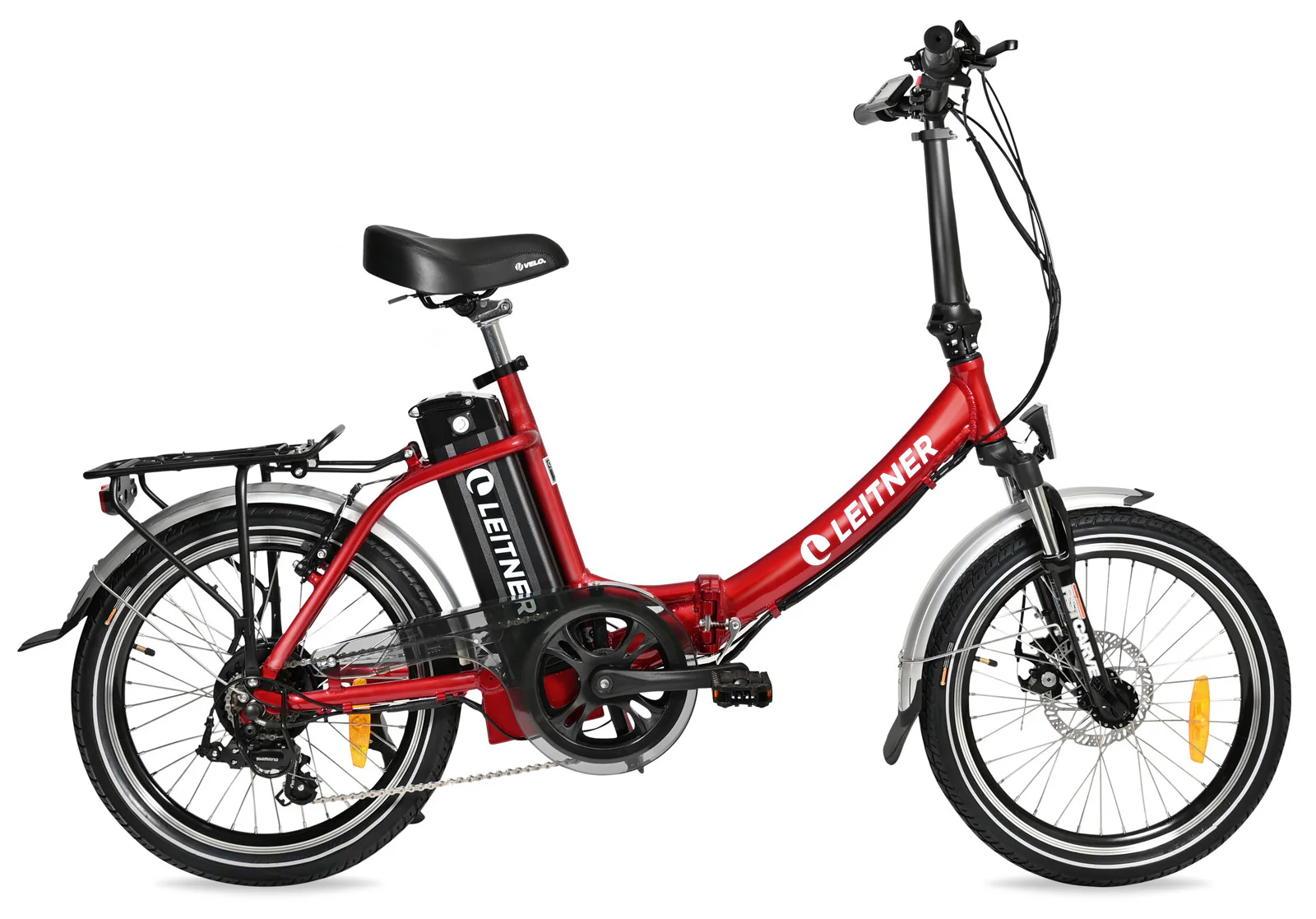
Leitner
Libelle
The lowest entry price with Australian support
- Price
- From ~$1,375as listed at Leitner, 2026-08-15
- Battery
- Samsung lithium pack
- Range
- ~50 km manufacturer claim
Road legal EPAC-certified at 250W with a 25 km/h assist cut-out. What the rules say
Why it's here
Leitner describes it as lightweight and it is the cheapest bike in this shortlist at around $1,375, with an Australian entity handling the warranty.
What it isn't
Leitner does not publish a weight figure we could verify, so we cannot tell you what it actually weighs — and in a guide about weight, that is the number that matters most.
What this guide doesn't cover yet
The legal part
Frequently asked questions
What is a realistic weight for a lightweight electric bike?
In this market, around 22 kg is what 'lightweight' typically means, as with the bikes we have verified here. Genuinely light e-bikes at 15–17 kg exist, using carbon frames and small batteries, but they cost considerably more and we have not verified Australian pricing for them.
Can I carry a 22 kg e-bike up stairs?
Once, yes. Every day, most people find it wears thin quickly. If stairs are part of your daily route, prioritise a folding frame you can carry in two hands over a marginally lighter bike you have to shoulder.
Does a lighter e-bike have less range?
Usually, because the weight saving mostly comes from a smaller battery. The ADO Air 20 Ultra in this shortlist carries 370 Wh against 540 Wh in the NCM Paris, and its real-world range is correspondingly shorter.
Is a belt drive worth it on a light e-bike?
If you carry the bike, yes — a belt does not deposit chain oil on your clothes and needs almost no maintenance. It also cannot be used with a conventional derailleur, so it is normally paired with an internal gearbox, as on the ADO.