Best fat tyre electric bikes in Australia (2026)
The short answer
For most Australians the NCM Aspen Fat is the pick: it is the cheapest bike here that is genuinely road legal at 250W and still has Australian warranty support. Want a passenger seat, go to the Fatboy Bagus V2 and accept the 500W legal caveat. Want maximum power and have private land, the Ampd Bros Ace X Plus is the benchmark — and is not legal on public paths.
How we make money: we link to retailers so you can check current prices. We have no confirmed affiliate or commission relationship with any retailer yet, so nothing on this page is a paid placement. Read the full disclosure.
Fat tyre e-bikes are the most versatile electric bikes you can buy in Australia — wide tyres that float over sand, gravel, wet footpaths and bush tracks, plus motor assist that flattens hills. They are the natural choice for beach towns, coastal paths and anyone who wants one bike that does everything.
But there is a catch nobody explains clearly: many of the most powerful fat tyre bikes sold here are not road legal. Australian law caps a road-legal e-bike at 250W continuous and 25 km/h of assist, with one live exception: New South Wales currently allows 500W, and drops to 250W on 1 March 2029. Everywhere else the 500W, 750W and 1000W "adventure" bikes everyone wants are private-property only. This guide compares the six fat tyre e-bikes Australians search for most, and says plainly which ones you can legally ride on shared paths.
All six compared
| Model | Price (AUD) | Motor | Battery | Range | Weight | Road legal AU | Best for | Price check |
|---|---|---|---|---|---|---|---|---|
| NCM Aspen Fat | $1,799 | 250W (750W peak) | 624 Wh | Up to 120 km | 38 kg | Yes | Best value | Check price at Leon Cycle (opens Leon Cycle in a new tab) |
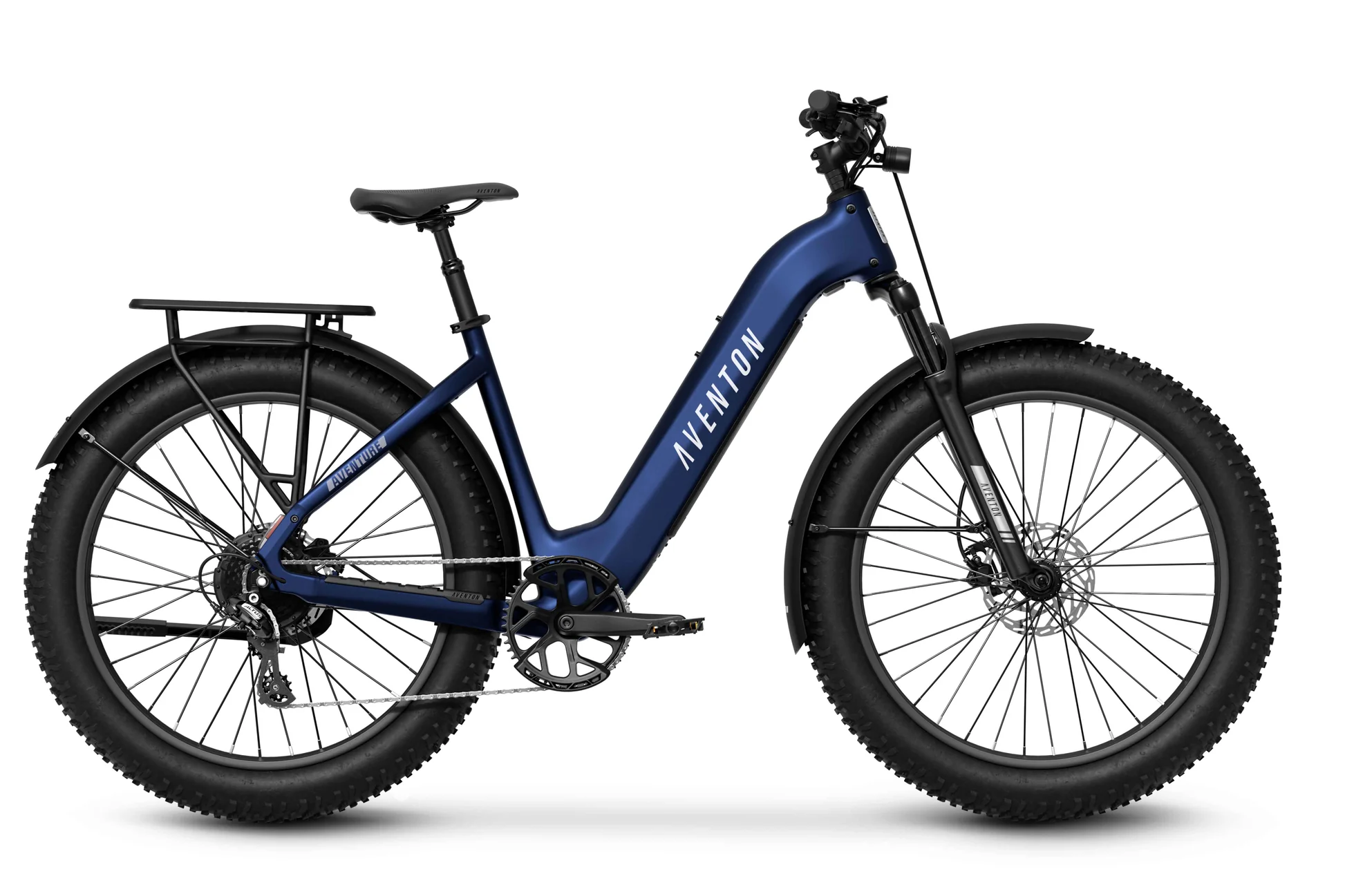
| Aventon Aventure 3 | ~$1,999 | Up to 938W peak | 733 Wh | Up to 105 km | ~36 kg | Yes | Best tech | Check price at Reid Cycles (opens Reid Cycles in a new tab) |
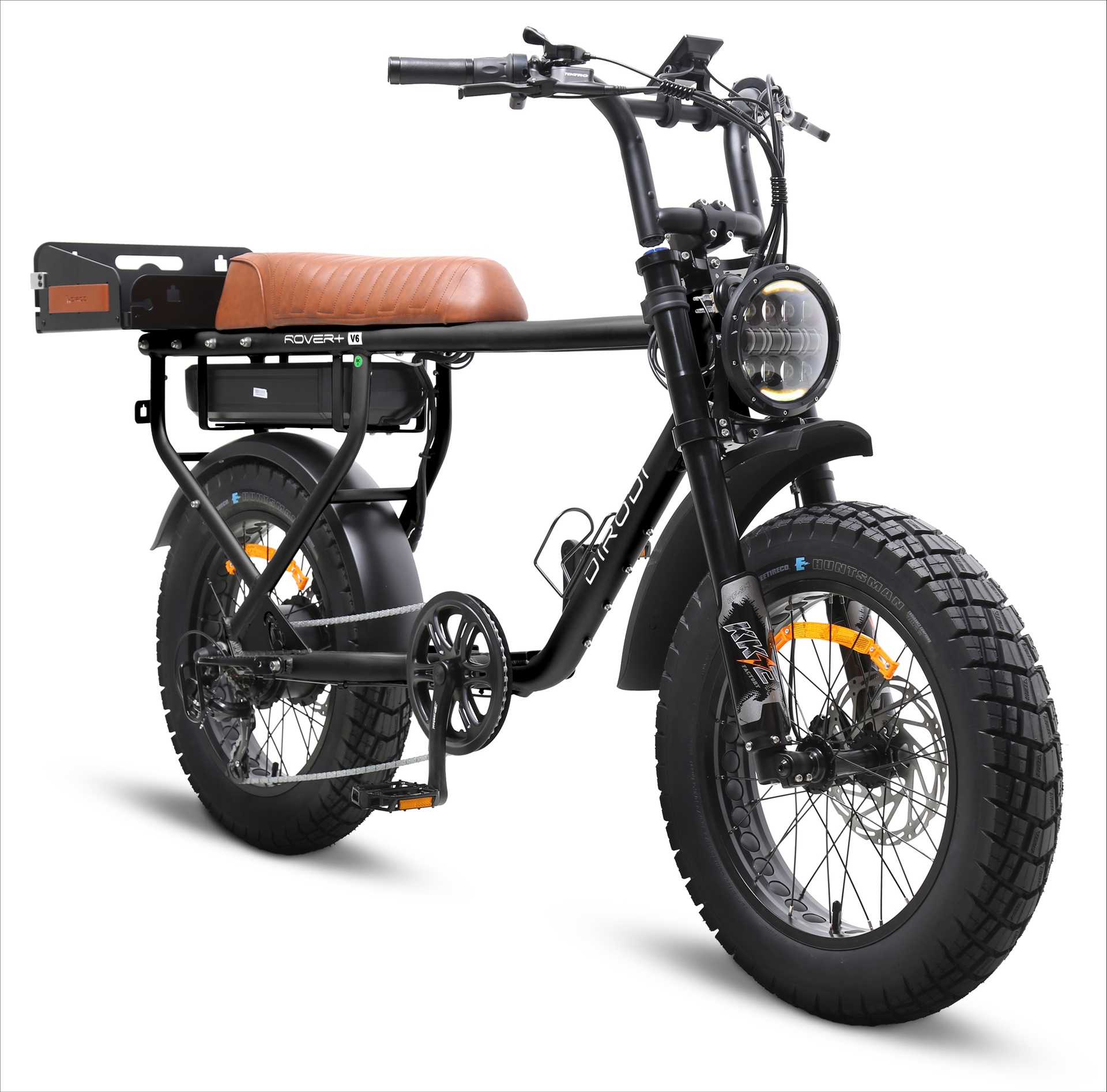
| DiroDi Rover Gen 6 | From $2,520 | 250W / 500W | Up to 960 Wh | Up to 120 km | ~35 kg | Yes | Best road-legal | Check price at DiroDi (opens DiroDi in a new tab) |
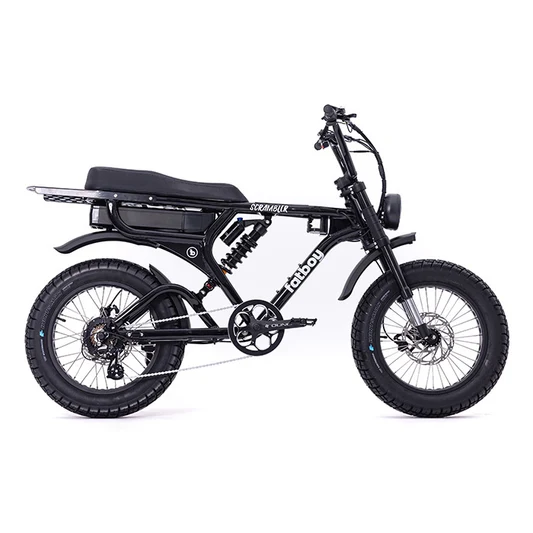
| Fatboy Bagus V2 | ~$2,500 | 500W (1560W peak) | 1040 Wh | Up to 100 km | 38 kg | Conditional | Best two-seater | Check price at Ride Electric (opens Ride Electric in a new tab) |
| Ampd Bros Ace X Plus | $3,590 | 750W | 1040 Wh | 80 km | 36 kg | No | Most power | Check price at Ampd Bros (opens Ampd Bros in a new tab) |
| Super 73 Super 73 | From ~$3,000 | Varies | Varies | Varies | ~34 kg | Conditional | Lifestyle / style | No AU seller confirmed |
Fat tyre e-bikes sold in Australia, compared on specifications published by the retailer or manufacturer and checked on 28 June 2026. Range figures are manufacturer claims.
How we picked these
We started from the fat tyre models Australians actually search for and can actually buy here, then kept the ones with a published specification we could source and an identifiable seller. Every road-legal call below comes from the motor rating and assist cut-out in the configuration sold in Australia, checked against the 250W rule.
We have not ridden any of these bikes. Nothing here is a measured range, a timed hill climb or a braking test — it is a comparison of what the makers and sellers publish, plus the legal reading they tend to leave out. Our full method.
1. NCM Aspen Fat — best value
Editor's pick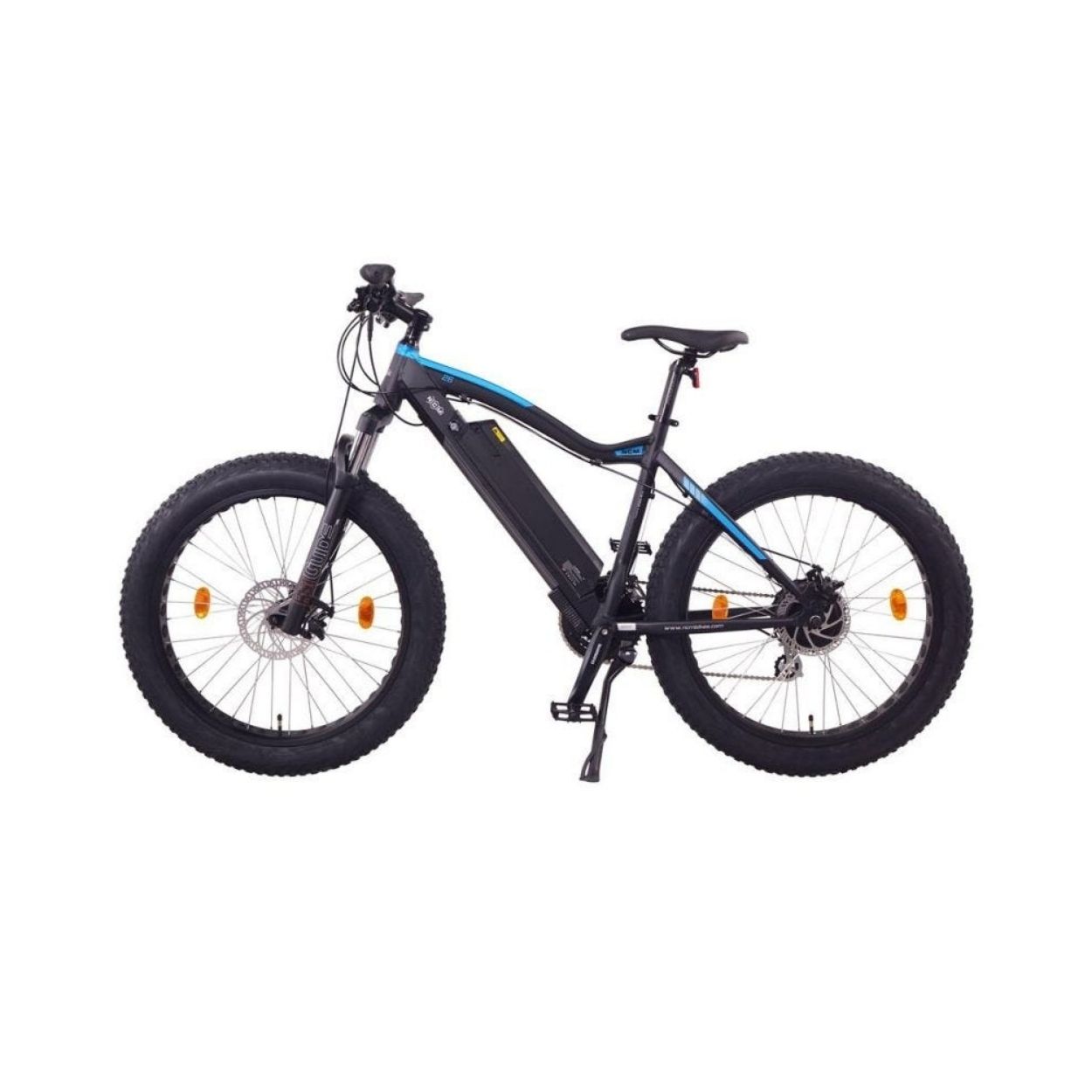
Pros
- Cheapest bike here that is genuinely road legal and still has Australian warranty support
- 624 Wh is a lot of battery at this price — useful, because loose sand drains a pack fast
- Hydraulic discs and a 7-speed drivetrain rather than the mechanical brakes common at $1,799
Cons
- 38 kg — the heaviest bike here to lift onto a rack or carry up a flight of stairs
- 120 kg maximum load is the lowest in this comparison, which rules out a passenger
- Utilitarian finish and componentry next to the Aventon and the Ampd Bros
Best for: a first fat tyre bike for beach paths and fire trails, bought
legally, with someone in Australia to call when something breaks.
Avoid if: you need to carry the bike regularly, or you want to take a
passenger — look at the Fatboy Bagus V2 instead.
2. Aventon Aventure 3 — best technology
Pros
- Built-in GPS and app lock — the only bike here with theft tracking as standard, which matters on a $2,000 bike left outside
- Named LG 21700 cells rather than unspecified cells, which is unusual at this price
- Suspension fork and seatpost take the edge off corrugated gravel
Cons
- 36V system trades outright punch for efficiency — it feels less urgent from a standstill than the 48V and 52V bikes here
- Full 4G tracking depends on a subscription after the included period
- Reid has paused e-bike shipping to NSW while certification rules change — check before ordering
Best for: riders parking in public, or anyone who wants the bike to be
traceable if it goes missing.
Avoid if: you are in NSW right now, or you want the strongest low-speed pull
for loose sand.
3. DiroDi Rover Gen 6 — most road legal, most useful
Pros
- Up to 960 Wh — the largest battery here that still comes in a road-legal configuration
- 50 kg rated rear rack, so it does school-run and hardware-store duty a normal fat bike can't
- Rated for two people, unlike the Aspen's 120 kg limit
Cons
- $721 more than the Aspen before you add anything
- 20" wheels roll less smoothly over ruts than the Aspen's 26" wheels
- It is easy to order the 500W or 1000W version by mistake and end up with a bike you can't ride on a path
Best for: people who want fat tyre capability and cargo ability without ever
thinking about the law again.
Avoid if: your budget stops at $2,000, or you mostly ride long, fast, smooth
distances.
4. Fatboy Bagus V2 — the two-seater
Pros
- A genuine two-seater with rear footpegs and 180 kg capacity — nothing else here carries a passenger legally or safely
- 1040 Wh and dual adjustable suspension, so a loaded bike still rides properly
- 203 mm hydraulic discs, which is the right amount of brake for two people and 38 kg of bike
Cons
- 500W puts it in the grey zone: fine restricted, illegal unrestricted on any public path
- 38 kg plus a passenger makes it a cruiser, not a trail bike
- You are trusting yourself to leave the restriction in place — police won't grade on intent
Best for: carrying a partner or a teenager along the coast at low speed.
Avoid if: you want an unambiguous legal position — the DiroDi Rover at 250W
does most of the same jobs without the asterisk.
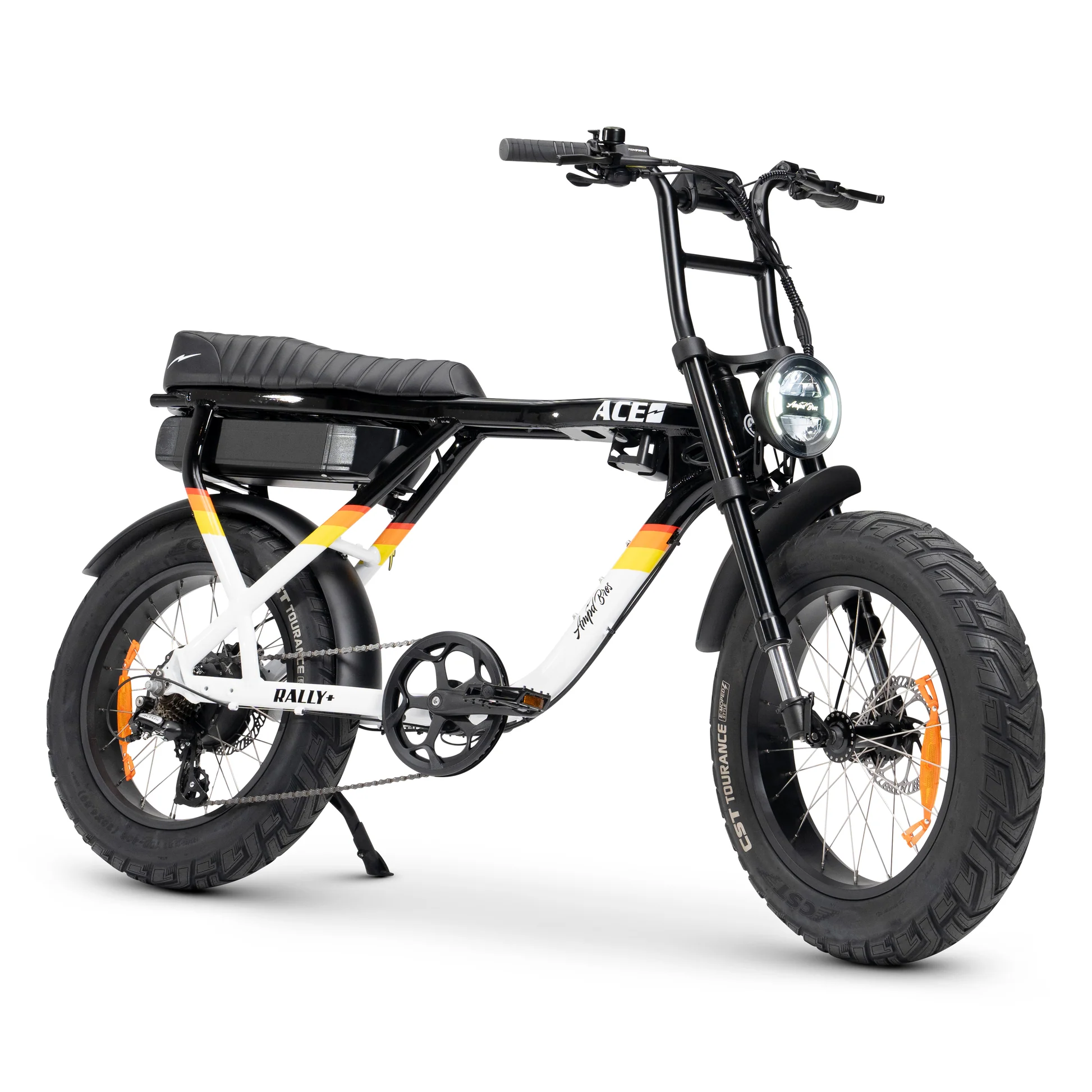
5. Ampd Bros Ace X Plus (Series 4) — most power, private property only
Pros
- The most capable bike here on private land: 750W, 1040 Wh of named Samsung cells and 150 kg capacity
- Gold Coast brand with local support and parts, which matters when a hub motor fails
- Build quality and finish are a clear step above the sub-$2,000 bikes
Cons
- Not road legal at 750W — you cannot ride it on a road, bike lane or shared path
- $3,590 is double the Aspen for a bike most buyers can only use legally on private land
- 80 km claimed range is the lowest here despite the biggest battery, because the motor drinks it
The brand describes it as Australia's best-selling e-bike since 2019; we have not been able to
verify that independently, so treat it as the manufacturer's claim rather than a fact. What we
can say is that it is the most searched-for bike in this class and the hardware justifies the
interest.
Best for: riders with private land who want maximum power.
Avoid if: you intend to ride on public paths — buy the 250W version or the
NCM Aspen instead.
6. Super 73 — style, with caveats
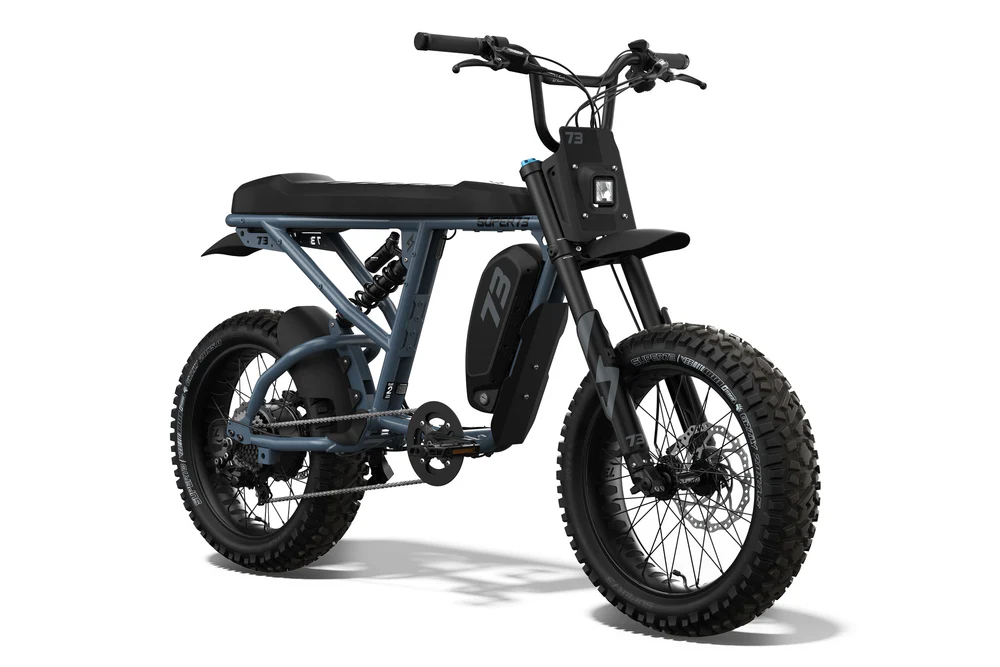
Super 73 earns a mention for sheer style — motorcycle-inspired looks and a real community
around the brand. But power and legal status vary by model, prices start around $3,000, and we
have not verified specifications for individual variants sold here, so we are not going to
compare it line by line as though we had.
Best for: buyers for whom looks are the point.
Avoid if: value or a clear legal position is what you are after — the five
bikes above are better documented buys.
How to choose a fat tyre e-bike
Decide the legal question first
It is the only decision you cannot undo with an accessory. If you will ride on roads, bike lanes or shared paths, you need 250W continuous with assist stopping at 25 km/h. If you have private land, the 500W and 750W bikes open up and they are genuinely more capable.
Battery capacity, not claimed range
Watt-hours are a fact; range is a marketing number. 624 Wh to 1040 Wh is the useful band here. Fat tyres on sand can halve any claimed figure, so buy capacity rather than trusting the headline kilometres.
Weight is the thing people regret
Every bike here is 34–38 kg. If it lives in a garage at ground level that is irrelevant. If it must go up stairs or onto a car rack, it is the single biggest daily annoyance you can buy, and no spec sheet warns you.
Check who honours the warranty
An Australian entity that stocks spare parts is worth more than 100 Wh of battery. Ask where a replacement controller or motor comes from and how long it takes.
Are fat tyre e-bikes road legal in Australia?
Frequently asked questions
Are fat tyre e-bikes legal in Australia?
At 250W continuous with assist cutting out at 25 km/h, yes. Above that they are private-property only in every state except New South Wales, which currently allows 500W until 1 March 2029. The 750W and 1000W bikes are not road legal anywhere in Australia, despite being widely sold and widely ridden on public paths.
What's the best value fat tyre e-bike in Australia?
On the bikes in this guide, the NCM Aspen Fat at $1,799 as listed at Leon Cycle on 2026-06-28. It is the cheapest genuinely road-legal fat e-MTB here that also has Australian distribution and warranty support.
How far can a fat tyre e-bike really go?
Manufacturers claim 80–120 km for the bikes here. Those are best-case figures. Fat tyres on sand or loose gravel, a heavier rider and higher assist levels all cut it substantially, and we have not measured any of these bikes ourselves.
Can I ride a 750W fat tyre bike on the road in Australia?
No. 750W exceeds the 250W continuous limit for a road-legal e-bike, so it is restricted to private property. Some brands, including Ampd Bros, sell 250W versions that are road legal.
Which fat tyre e-bike is best for carrying a passenger?
The Fatboy Bagus V2 is the only bike here built for it, with a two-seater saddle, rear footpegs and a 180 kg capacity. Note its 500W motor makes it conditional rather than outright road legal.
Are fat tyres worth it if I mostly ride on roads?
Usually not. Fat tyres add weight and rolling resistance that you pay for in range on sealed surfaces. They earn their place on sand, loose gravel and rough tracks — if your riding is mostly bitumen, a commuter or step-through bike will be faster and lighter for the money.
Sources & recent changes
Specifications and prices come from the retailer or manufacturer product page for each model, checked on . Range figures are manufacturer claims and are labelled as such throughout.
- Leon Cycle — NCM Aspen product page
- Reid Cycles — Aventon Aventure 3 product page
- DiroDi — Rover Gen 6 product page
- Ride Electric — Fatboy Bagus product page
- Ampd Bros — Ace X Plus product page
Recent changes
- 2026-08-15 — removed out-of-ten ratings across the site pending a published scoring method; labelled every range figure as a manufacturer claim; attributed the Ampd Bros "best-selling" claim to the brand rather than stating it as fact.
- 2026-08-15 — prices, specifications and road-legal status checked against retailer product pages.